Recent publications

Main asset classes: long-term behaviour analysis
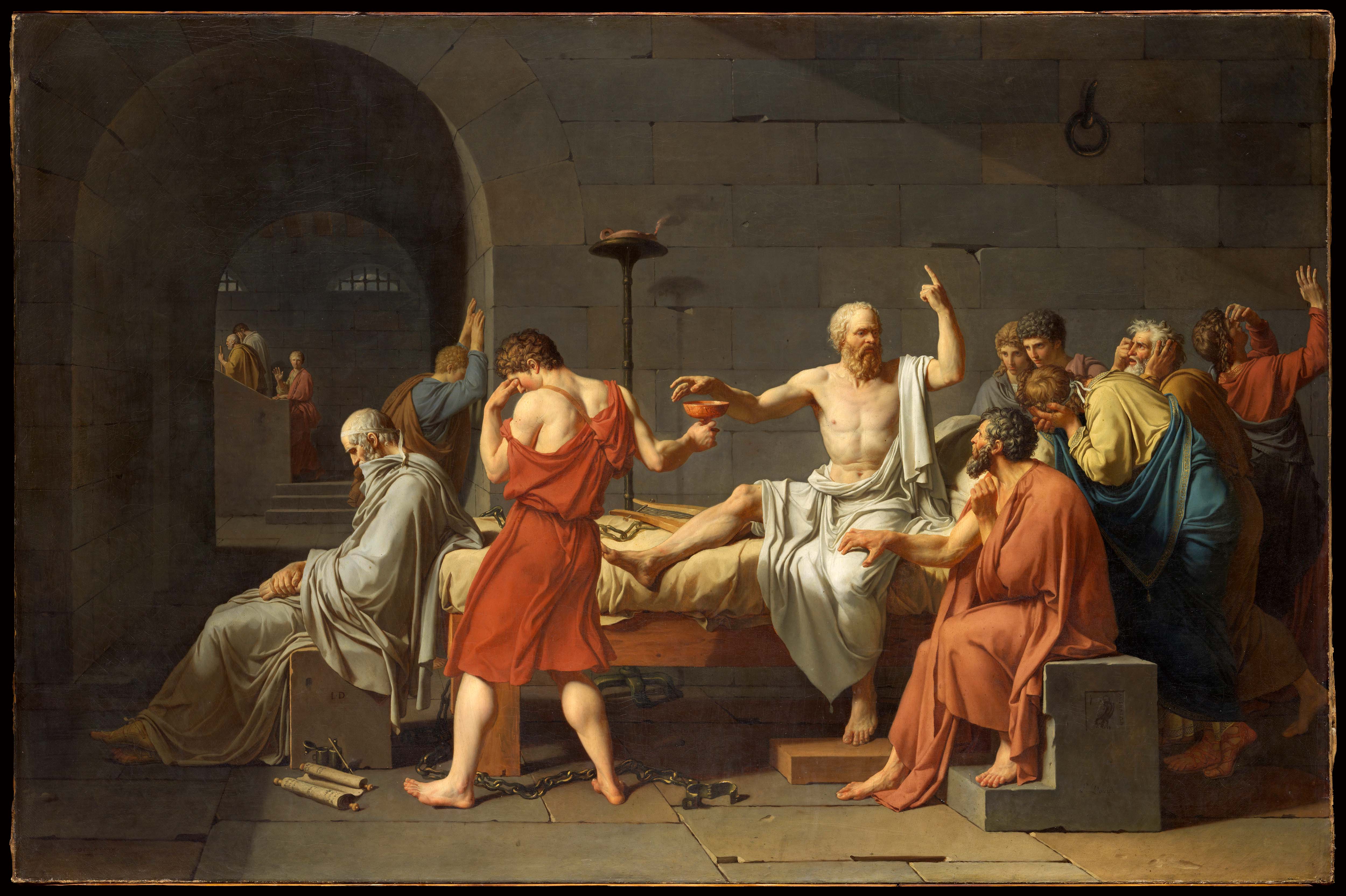
The saying goes: "history does not repeat itself, but it rhymes." Serious investors would be well advised to understand how the main asset classes behaved not only over the past decade, but across the full historical record, under conditions and market cycles very different from this one. This analysis sets out that record for equities, bonds, cash, gold and residential property, by country, with data covering the last century.

September 2026 Investment Portfolio Cockpit Report
September reversed August. Only one of the twenty-one model portfolios finished the month up, on a spread from -3.5% to 0.4%, and that exception was saved by a weak franc. The year survives: seventeen of the twenty-one are still ahead, the equity versions at about 11%. Three central banks raised by the same step, 25 basis points each, and the US ten-year reached 5.29%, its highest since 2002. France now borrows more expensively than Italy, and its best companies borrow more cheaply than the French state. Brent gained 14.4% after a drone strike shut Saudi Arabia's pipeline route to the Red Sea, and the US Strategic Petroleum Reserve fell to its lowest level since October 1982. Open the issue for the detail.

Should investors add leverage to optimise their portfolio's risk and return profile?
Most investors think about borrowing roughly like this. My portfolio makes 10% a year. Money costs 5%. So if I borrow another half, I should end up nearer 12.5%. The only real question is whether I can live with the bigger swings. The sum is right. It describes one year, on average. It does not describe what happens to real money over ten years with a real lender. And it says nothing about risk: the extra volatility, the deeper worst drawdown, or how close you came to a margin call at the worst moment. This piece is about the gap between those two.

Mistral AI new funding round: what investors should know
Three billion euros at a €21 billion valuation, led by Samsung, with ASML and Nvidia following on. This article examines what probably matters most to an investor: how the sovereignty promise at the core of Mistral's moat has changed. The last few months brought a large partnership with Microsoft, the arrival of other companies' models on the platform starting with a Chinese one, and a Korean giant leading this round. I close with the valuation, and how it compares with Mistral's own past and with its peers.

August 2026 Investment Portfolio Cockpit Report
August 2026 was a strong month for risky assets, despite louder worries about high interest rates. The S&P 500 rose 2.6% and the Nasdaq Composite 3.9%. The STOXX Europe 600 was flat. Gold gained 9.9%. Bitcoin had a spectacular August, up 25%, and is still down 10% for the year. All seven model portfolios rose in all three currencies, before expenses, from +0.1% to +3.5%. The Permanent Portfolio led in USD, EUR and CHF alike, lifted by its 25% gold allocation. Underneath sat a very strong earnings season and a hot economy. The Atlanta Fed's GDPNow put third-quarter growth near 5%. And all of it came with rates high enough that the US Treasury doubled its buybacks of long-dated debt to hold the long end down.

July 2026 Investment Portfolio Cockpit Report
July looked dramatic in the headlines and quiet in the portfolios. The worst of the twenty-one model portfolios lost 1.2% on the month. The equity versions are still close to 10% for the year. Meanwhile oil rose 21.8% on the closure of the Strait of Hormuz, and the thirty-year Treasury closed at 5.21%. The median chip stock fell 18.5%. One of the year's best-performing AI hedge funds came apart in a fortnight. Open the issue for the detail.

Where a decade of stock returns actually landed
The last decade was a strong one for American equities, better than three-quarters of any ten-year stretch since 1928. But inside the index, the returns were startlingly concentrated. This is where a decade of returns actually landed for the thousand largest companies in the world, and why the average company and the typical one are not the same thing.

Lovable, the Fastest-Growing Company Ever?
A Swedish startup reached half a billion dollars of run-rate in nineteen months, on intelligence it does not own, and is now reported to be raising at $13.2 billion. The record and what the price implies, the business model and what it rents, whether the moat holds when the models belong to someone else, how it stands against its peers, and what return is left at $13.2 billion. An examination, not a recommendation.
Market Timing Game
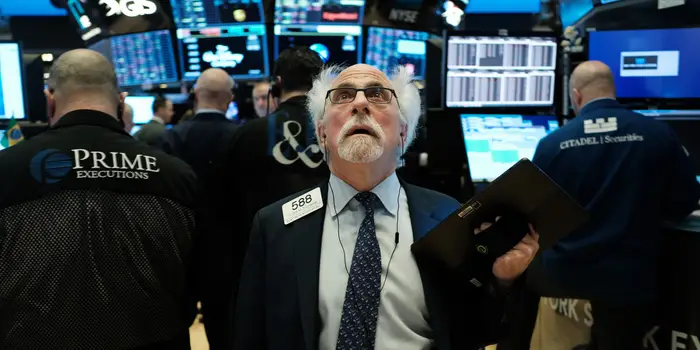
Investors face many decisions. One of the most consequential is whether to attempt to time the market or to keep a buy-and-hold strategy. This game lets you experiment with market timing on real-world securities, and reach your own conclusion about how it performs against buying and holding.
Play as a guest, or create an account to keep your record: your own statistics, how every player has performed, and your place on the leaderboard.

Equity Watchlist
The thousand most relevant listed companies in the world on one screen. Sort by return, size, sector, currency, volatility or drawdown, and open any name for its price history, rebased to 100 or as an actual share price.

H1 2026 Investment Portfolio Cockpit Report
How the main markets, sectors, countries, currencies, rates and credit behaved through the first half of 2026, with seven classic model portfolios read as references. An examination, not a recommendation.

The Mistral Mystery: How Much is the European AI Champion Worth?
Four funding rounds, three years, not one published revenue figure: Mistral is the rare frontier AI company that keeps its numbers to itself. In June 2026, reports put its next valuation near €20 billion. A discreet history, what the company sells and to whom, what €20 billion implies against its American and Chinese peers, and how much information an investment decision really needs.
Project Prometheus: from zero to $41 billion in 7 months
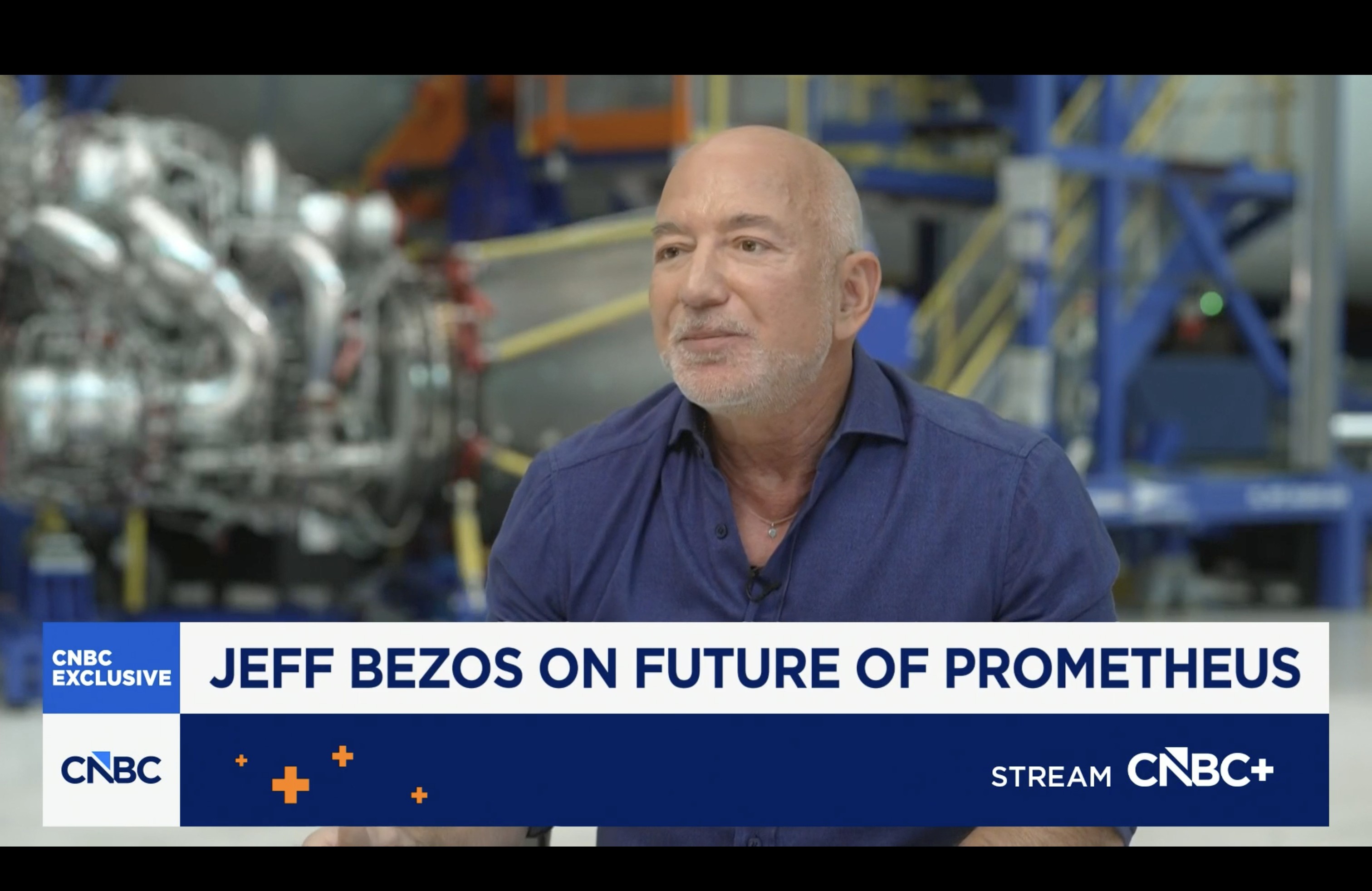
A Socratic examination of whether a seven-month-old company with no product and no disclosed revenue can be worth $41 billion. The piece treats the price not as a valuation but as an option premium, and works through it input by input: the physical-AI thesis, the bet on Bezos, the audacious plan to own industrial data by owning the companies, the Blue Origin record, the bubble question, and the size of the prize.
Is the SpaceX IPO Valuation Really That Stupid?
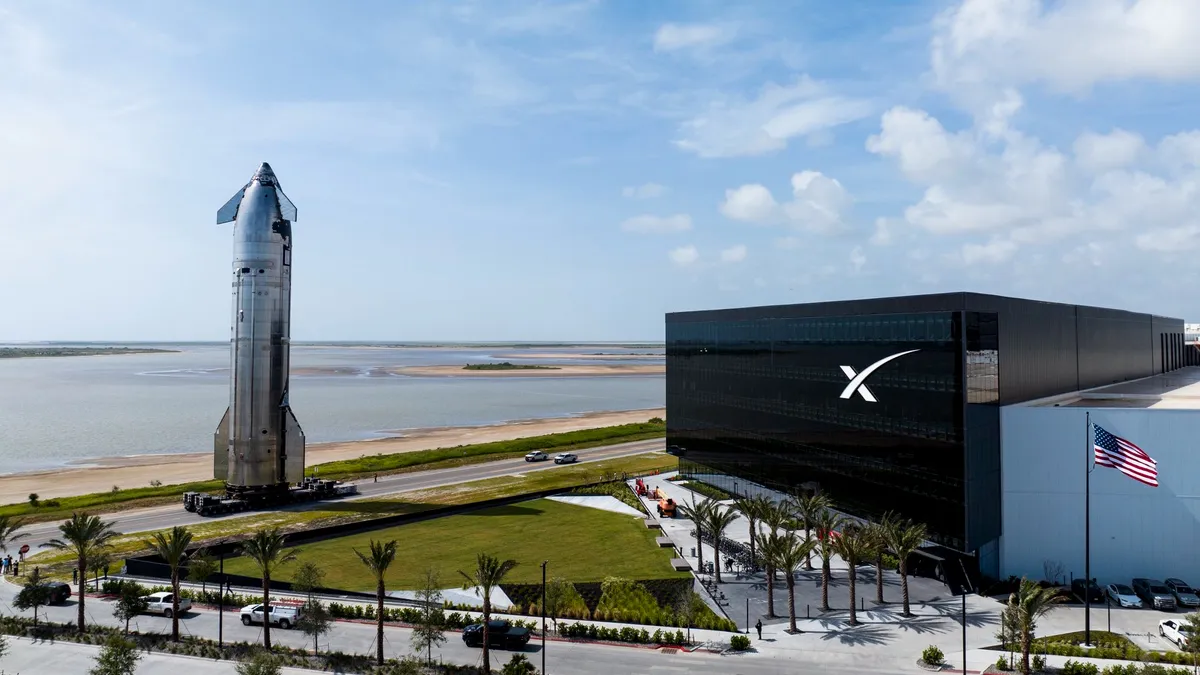
A Socratic examination of the largest IPO ever, and whether $1.75 trillion is a number to mock or to understand. The offering prices around $135 a share to raise roughly $75 billion, listing on Nasdaq as SPCX. What the price is a claim on, the Google and Anthropic compute deals, why a trailing revenue multiple misleads, the price-discovery and index-inclusion debate, the curse of the new listing, founder control, and the questions worth answering.
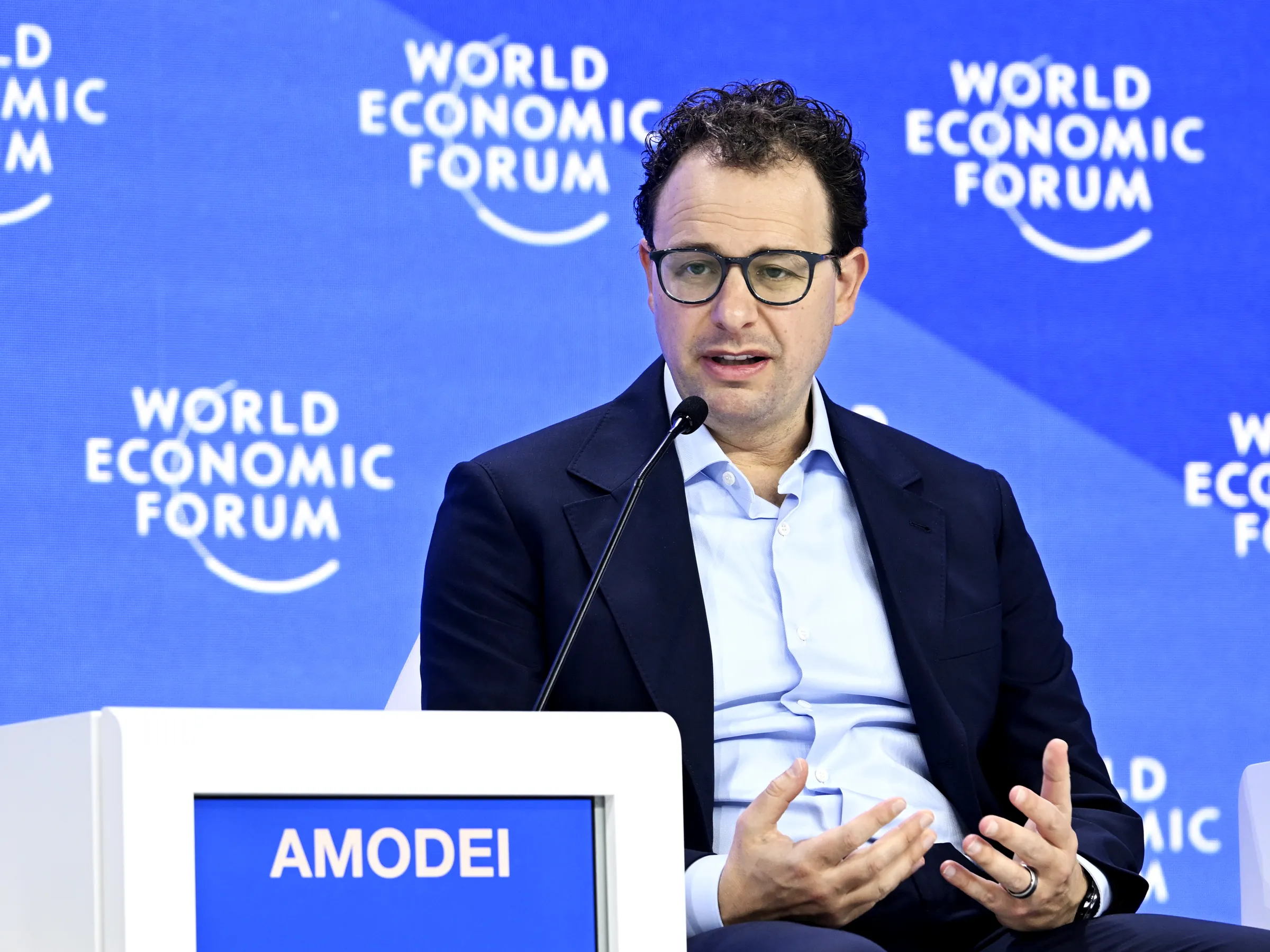
Is Anthropic worth $965 billion?
A Socratic examination of the question every potential investor in this round should ask. The Series H closed on 28 May 2026 at $965 billion post-money. Revenue and the $47 billion disclosed run-rate, the funding trajectory through Series H, the SpaceX compute deal, the void-shares notice, the DoD dispute, the AI-flation signals, the criticism of the reported metrics, and the four regimes for the next decade.